Plan your visit to Dharmasthala Temple in Karnataka: history, darshan timings, festivals, annadana, and how to book rooms & guest houses near the shrine.
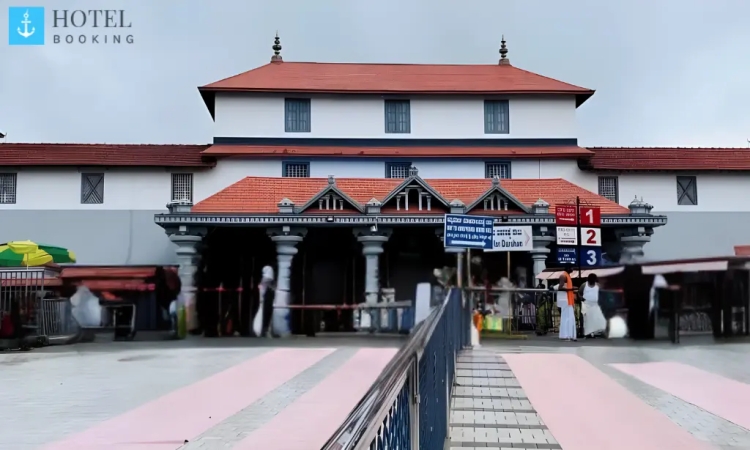
Introduction & Overview
Dharmasthala Temple is one of South India's most revered pilgrimage centres, located in Belthangady taluk of Dakshina Kannada district, Karnataka. Dedicated to Lord Manjunatha (Shiva), the temple is renowned for its unique tradition where Jain administrators oversee a Shaivite shrine served by Vaishnava priests an enduring symbol of harmony in Dharmasthala, Karnataka. Set near the Nethravathi river and the town of Ujire, the temple draws millions of devotees year-round for darshan, vows fulfilled through anna dāna (free meals), and grand annual festivals.
This guide provides you with clear, practical information that devotees seek most: an accessible history of Dharmasthala, daily and festival timings, and a step-by-step overview of room booking across temple guest houses and nearby accommodations. The principal deity, Lord Manjunatha, as well as the temple complex's design, daily ceremonies, significant occasions such as Laksha Deepotsava, and Dharmasthala’s extensive social programs in healthcare, education, and community welfare, are also covered. Whether you're planning your first trip or returning for a family vow, this article helps you experience Dharmasthala Temple with confidence covering what to see, when to visit, and how to stay.
Location & Significance
The Dharmasthala Temple is situated in Belthangady taluk, Dakshina Kannada, Karnataka, ~75 km from Mangaluru and around 300 km from Bengaluru. The shrine sits near Ujire in the verdant Western Ghats, with excellent road access via NH-73/NH-75. KSRTC and private buses operate frequent services to Dharmasthala/Ujire. The nearest railheads are Mangaluru Central/Junction (approximately 75–80 km) and Subrahmanya Road (approximately 55–60 km). The closest airport is Mangaluru International (IXE), roughly 75–80 km away.
Religiously, Dharmasthala is dedicated to Lord Manjunatha (Shiva) and revered for upholding the principles of "Dharma" through worship, justice, and charity. Culturally, it is distinctive: the shrine is administered by a Jain Heggade family, daily worship is performed by Vaishnava priests, and the presiding deity is Shaivite a rare confluence symbolising interfaith harmony in coastal Karnataka. Spiritually, devotees seek darshan for vows, thanksgiving, and blessings on life milestones, often participating in the renowned annadana.
Among South Indian temples, Dharmasthala stands out for its syncretic administration, scale of free meals, and its integrated social initiatives (education, healthcare, rural upliftment). The nearby Ratnagiri hill, featuring a towering statue of Bahubali, underscores the region's Jain heritage. At the same time, the temple's disciplined management, orderly queues, and robust facilities make it one of the most accessible and devotee-friendly pilgrimage centres. for more info
History of Dharmasthala Temple
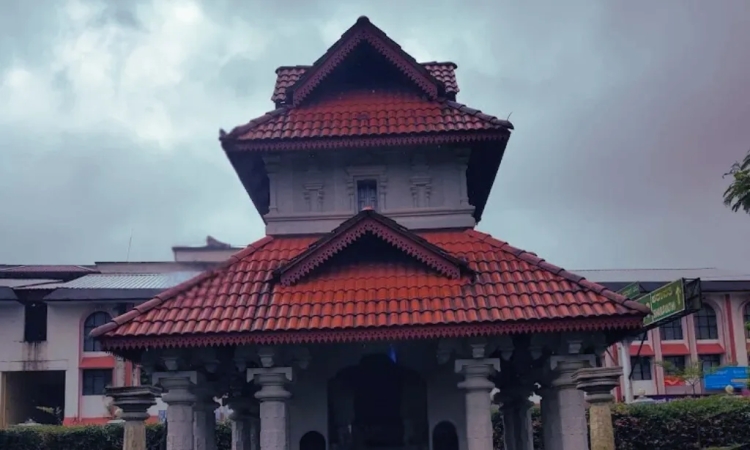
Founding and Origins
Local tradition traces Dharmasthala’s beginnings to the hamlet of Kuduma in coastal Karnataka, where the Jain chieftain Pergade (Heggade) family lived under the protection of the region’s guardian spirits (Daivas). According to legend, the Dharma Daivas appeared to the Pergade couple, asking them to set aside land for upholding dharma through charity, justice, and worship. Soon after, the divine servitor Annappa Swamy is believed to have miraculously brought a Shiva linga from Kadri near Mangaluru. The linga was consecrated as Lord Manjunatha, and daily worship was arranged under the Vaishnava (Madhva) tradition, while administration remained in the hands of the Jain Heggade trustees. From this syncretic origin Jain trustees, Vaishnava priests, and a Shaivite deity the shrine acquired the distinctive name Dharmasthala, meaning "the abode of dharma."
Evolution as a Religious Centre
From a small village shrine, Dharmasthala gradually evolved into a renowned pilgrimage centre. The Heggade trustees institutionalised annadana (free meals), dispute resolution in the spirit of dharma, and orderly darshan that welcomed people from all communities. As pilgrim numbers increased, the temple complex expanded to accommodate queues, dining halls, and guest facilities, while festivals such as Rathotsava and Laksha Deepotsava drew devotees from across Karnataka. Over the 19th and 20th centuries, Dharmasthala emerged as a hub of devotion and learning, with discourses, cultural programs, and interfaith dialogues reinforcing its reputation as a place where worship, charity, and social harmony converge.
Key Historical Events & Milestones
Milestones often highlighted by local accounts include the formal consecration of Lord Manjunatha’s linga, the codification of worship under Vaishnava priests alongside Jain administration, and the institution of mass charity programs. The annual car festival (Rathotsava) and the spectacular Laksha Deepotsava became signature events. In the late 20th century, a towering statue of Bahubali (Gommateshwara) on Ratnagiri Hill underscored the region's Jain heritage. Dharmasthala also emerged as a platform for Sarva-Dharma Sammelanas (inter-faith conferences), and as the base for an expanding network of educational, healthcare, skill-development, and rural-development programs that carried the temple’s values far beyond its precincts.
Role in Development & Management
The Heggade (Dharmadhikari) lineage has continuously guided the temple’s trusteeship, upholding transparent management, discipline, and hospitality for pilgrims. Their role extends from temple administration encompassing ritual oversight, infrastructure, sanitation, and crowd management to community services, such as dispute mediation in the spirit of dharma and support for social initiatives. Professionalised departments manage annadana, accommodation, event logistics, and maintenance, ensuring the shrine remains devotee-friendly while preserving ritual integrity and the unique tri-tradition identity (Jain trusteeship, Vaishnava worship, Shaivite deity).
Legacy & Contributions
Dharmasthala’s legacy lies in its blend of faith and service. Beyond worship, its trusts have supported schools, colleges, hospitals, Ayurvedic research, rural development, entrepreneurship training, and mass marriage programs touching the lives of millions in Karnataka. The shrine's model of syncretic stewardship, efficient public services, and large-scale annadana has earned widespread respect and national recognition. For devotees, Dharmasthala remains a living testament to dharma in action, where spiritual solace, social welfare, and cultural preservation are practised daily.
The Main Deity – Lord Manjunatha
Mythological Significance
In Dharmasthala, Lord Manjunatha is worshipped as a benign form of Shiva, enshrined as the linga brought, by tradition, from Kadri by Annappa Swamy. Scriptural associations link Manjunatha with the compassionate and auspicious Shiva, who grants welfare and removes obstacles. Local lore recounts the Dharma Daivas directing the Pergade family to consecrate the linga and uphold dharma through charity, justice, and worship. Devotees view Manjunatha as the lord who accepts simple vows and sincere offerings, blessing households with health, harmony, and right livelihood. The deity's grace is sought in life's transitions education, marriage, and enterprise and in thanksgiving for fulfilled prayers and safe travel.
Iconography and Symbolism
The sanctum houses a smooth, dark stone linga adorned with bilva leaves, flowers, and sacred ash, representing Shiva’s formless, all-pervading reality. The silver kavacha, brass lamps, and dhupa signify purity, light, and prayer rising to the divine. The dhwaja-stambha before the shrine marks the victory of dharma, while Nandi embodies steadfast devotion and guardianship. Temple bells evoke inner awareness; the deepa and camphor aarati symbolise the dispelling of ignorance. The ambience, queues, and mantras focus the mind on surrender, gratitude, and righteous living.
Rituals and Worship Practices
Daily worship at Dharmasthala follows the Vaishnava tradition for Lord Manjunatha’s Shiva linga, beginning with nirmalya darshan, abhisheka with water, milk, and sandal, alankara, and naivedya. Devotees offer coconuts, bilva leaves, ghee, and special sevas; priests perform maha mangalarati with lamps and camphor. The day unfolds through morning, midday, and evening poojas, accompanied by Vedic chanting and recitation of stotras. On festival days especially Rathotsava and Laksha Deepotsava additional homas, processions, and cultural programmes are organised. Many families take simple vows, sponsor annadana, or participate in tulabhara. Silence in queues, modest dress, and bare feet preserve sanctity. Darshan is followed by prasada, reinforcing gratitude, equality, and the temple's emphasis on dharma in action.
Dharmasthala Temple Complex
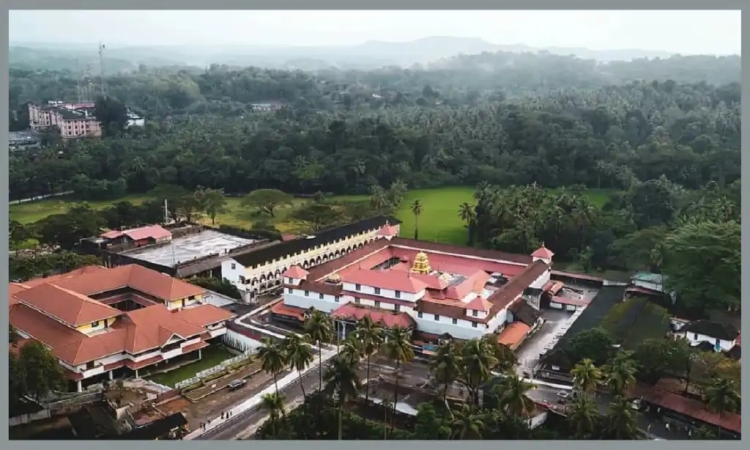
Architectural Features
The Manjunatha Temple embodies coastal Dravidian sensibilities, characterised by a modest gopuram, granite prakara walls, and a sanctum (garbhagriha) that houses the Shiva linga. A tall dhvaja-stambha and Nandi mandapa align on the central axis, while deepa-stambhas and brass lamps create a warm, devotional glow. Covered queue corridors, polished stone floors, and shaded courtyards aid smooth pilgrim movement in all seasons. The chariot street and ratha stand serve the annual Rathotsava. Ancillary blocks such as administrative offices, prasada counters, and annadana kitchens are integrated behind the main precincts to preserve sanctity and minimise clutter. Signage, footwear counters, and security checkpoints keep the complex orderly yet welcoming for families and senior devotees.
Various Shrines Within the Complex
Alongside the sanctum of Lord Manjunatha, the precincts include shrines for the revered Dharma Daivas (guardian deities) traditionally associated with Dharmasthala, as well as a shrine for Annappa Swamy, the divine servant linked to the origin legend. Devotees also encounter sub-shrines for Ganesha and Naga deities, Tulabhara platforms, and ritual spaces for homa and sankalpa. Nearby, the Ratnagiri hill closely associated with the temple features the towering Bahubali image and landscaped paths, which many pilgrims include in their yatra after darshan at the main shrine.
Importance of Each Shrine
The Manjunatha sanctum is the spiritual heart, where abhisheka and aalankara are offered to Shiva for prosperity and peace. The Dharma Daivas signify the protection of dharma devotees who seek justice, harmony, and resolution of difficulties. Annappa Swamy is venerated for devotion and prompt divine help; vows and thanksgiving offerings are standard. Ganesha is worshipped for auspicious beginnings; Naga shrines are sought for family well-being. The Bahubali on Ratnagiri symbolises renunciation, non-violence, and self-mastery complementing Dharmasthala’s unique confluence of worship and ethical living.
Marriage Hall / Booking Facilities
Temple-managed kalyāṇa mantapas (marriage halls) and community halls support samskāras, group ceremonies, and cultural events. Bookings are typically handled through the temple administrative office/official channels, with ID, basic documents, and a deposit required. Demand peaks during auspicious dates and festival seasons, so it is advisable to make advance reservations. Standard facilities include seating, a stage, basic decor, and dining arrangements. Devotees can coordinate catering and additional services through approved vendors or local organisers in Dharmasthala/Ujire.
Pooja & Ritual Timings
Daily Ceremonies & Rituals
Worship at Dharmasthala follows a disciplined sequence. The day begins with Nirmalya Darshan, followed by abhisheka to the Shiva linga (water, milk, sandal), alankara, and naivedya. Devotees then have general darshan and may book sevas such as Tulabhara, Maha Pooja, or Archane. Midday worship culminates in mangalarti. In the evening, priests perform deeparadhana with Vedic chants and stotras, concluding with Shejarti (night closure). Throughout the day, devotees maintain silence in queues, observe modest attire, and refrain from wearing shoes. On festival/auspicious days, additional homas, processions, cultural programs, and extended darshan slots are arranged to accommodate the larger footfall.
Special Festivals & Celebrations
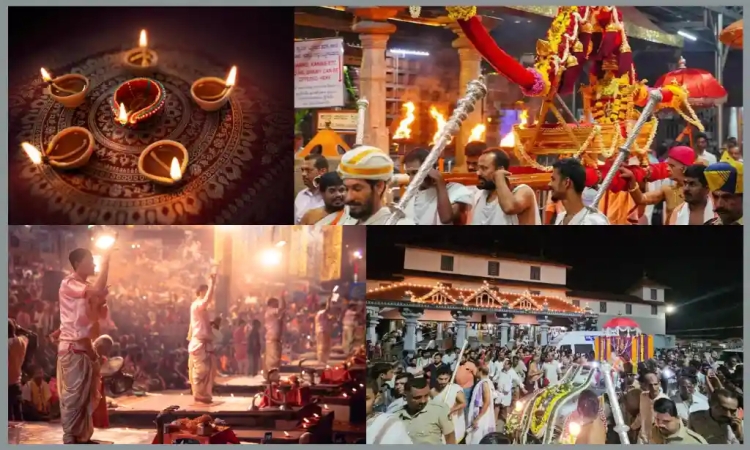
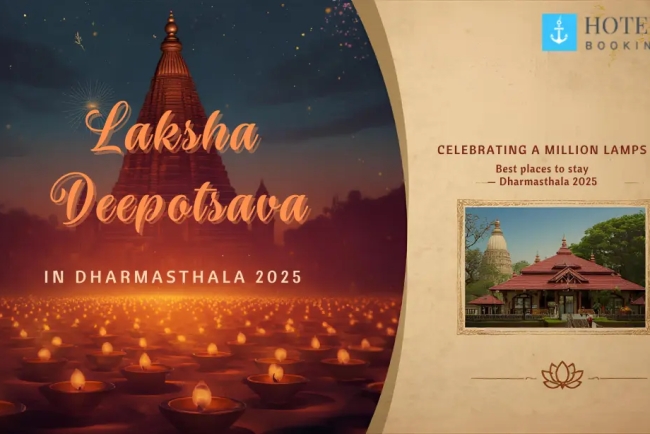
Significant events include the spectacular Laksha Deepotsava (a hundred thousand lamps illuminating the precincts), the annual Rath Yatra (car festival), and Maha Shivaratri, featuring night-long worship. Navaratri, Deepavali, Ganesh Chaturthi, and important Ekadashi/Amavasya days also see higher devotee turnout and augmented rituals. Processions with the utsava murti, community bhajans, cultural programs, and discourses reinforce Dharmasthala’s blend of worship and service. On these days, abhisheka slots, darshan windows, and annadana capacity are scaled up, with volunteer teams guiding queues and managing facilities. Seva availability may be limited or re-timed during processions and evening deepa lighting, so it’s best to plan entry earlier and follow the announcements on-site.
Timetable / Schedule
(Indicative daily schedule-subject to change)
-
Temple opens / Nirmalya: 5:00–5:45 am
-
Abhisheka & Alankara: 6:00–8:30 am
-
General Darshan (forenoon): 6:30–11:45 am
-
Midday Pooja / Mangalarati: 12:00–12:30 pm
-
Temple closed (maintenance): 12:30–5:15 pm
-
Evening Darshan: ~5:30–8:30 pm
-
Sevas / Archana (evening window): 6:00–7:30 pm
-
Shejarti / Close: 8:45–9:00 pm
Notes on Variations / Updates
Timings may vary on weekends, auspicious tithis, and during festivals/processions (e.g., Laksha Deepotsava, Rathotsava). Certain sevas can be shifted or paused when the utsava murti is in procession. Annadana typically operates within extended noon/evening windows but may be staggered for crowd management purposes. Always check the display boards at the temple, listen to loudspeaker announcements, or visit official help desks upon arrival for the day's latest schedule.
As a Pilgrimage Destination
Visitor Experience & Facilities
The Dharmasthala Temple is designed to accommodate high foot traffic, featuring orderly queue corridors, shaded waiting areas, and information desks strategically located near the entry points. Footwear counters, cloakrooms/lockers, and drinking-water stations are conveniently located. The annadana dining halls serve freshly cooked meals in multiple sittings; prasada counters and help desks display daily seva updates. Clean restrooms, RO water, and basic first-aid/medical assistance are available. Seniors and families appreciate the smooth flow, clear signage, and volunteer support. Nearby parking zones, battery autos within town limits, and frequent buses from Ujire/Dharmasthala bus stands make movement easy. Even on festival days, disciplined crowd management ensures that darshan remains structured and respectful.
Accommodation Options
Pilgrims can choose between temple-managed guest houses (simple, clean rooms with basic amenities) and private lodges/hotels in Dharmasthala and nearby Ujire. Temple guest houses typically offer non-AC/AC rooms, family rooms, and dormitory options at reasonable tariffs; linens and hot-water timings may be specified at check-in. Private properties add choices like deluxe rooms and on-site dining. Peak seasons Rathotsava, Laksha Deepotsava, Shivaratri, and long weekends see high demand, so plan early. Many travellers also base themselves in Mangaluru, Belthangady, or Subrahmanya and day-trip to Dharmasthala, combining the pilgrimage with visits to Ratnagiri (Bahubali) and nearby temples.
Travel Tips / Guidelines
Best months: October–February (pleasant weather); monsoon visits are scenic but may be delayed due to rain-related issues. Dress modestly (with shoulders/knees covered), remove your footwear before entry, and maintain silence in queues. Mornings (post-Nirmalya/Abhisheka) and evenings (Deeparadhana) are spiritually enriching but busier; please arrive early. Keep small change for sevas and lockers, carry a light shawl/umbrella, and stay hydrated. Follow noticeboards for timing changes on festival days. For families with seniors, target mid-morning slots and avoid peak-festival evenings. Combine darshan with annadana, then plan Ratnagiri/Bahubali before dusk for views and an unhurried climb.
Cultural & Heritage Significance
Dharmasthala shapes the cultural life of coastal Karnataka through a living synthesis of Jain stewardship, Shaivite devotion, and Vaishnava ritual. This rare alignment has normalised interfaith cooperation for centuries and fostered a regional ethos where dharma means service as much as worship. The temple’s calendar Rathotsava, Laksha Deepotsava, and Maha Shivaratri anchors local arts and crafts, including metalwork for lamps, woodwork for chariots, and traditional textiles for alankara. Pilgrim economies in Dharmasthala Ujire sustain small eateries, lodging, florists, and prasada units, creating steady livelihoods rooted in temple time.
Historically, the shrine has preserved ritual disciplines (abhisheka, deeparadhana, tulabhara) while promoting dialogue and learning through spiritual discourses and Sarva-Dharma Sammelanas (inter-faith meets). Patronage for Yakshagana, devotional music, and folk ensembles ensures that younger performers receive platforms alongside senior artistes. The region’s museums and cultural repositories associated with Dharmasthala curating artefacts, vehicles, and rural implements help document everyday history, agrarian memory, and craft techniques for public education.
Recognition has followed this consistent public ethos: Dharmasthala is widely acknowledged across Karnataka for its scale of annadana, clean and orderly pilgrim management, and social impact through education, healthcare, and rural development. Community initiatives such as mass marriages, de-addiction and legal-aid camps, and micro-enterprise support translate cultural values into measurable social outcomes. For visitors, the experience is more than darshan; it is an immersion in a heritage ecosystem where ritual, art, livelihood, and welfare are interwoven safeguarding traditions while adapting to contemporary needs.
Conclusion
Dharmasthala Temple stands out as a living example of dharma in action, where the worship of Lord Manjunatha, disciplined rituals, and large-scale annadana come together under a rare confluence of Jain stewardship, Shaivite devotion, and Vaishnava worship. For pilgrims, the experience is both sacred and practical: clear queues, clean facilities, helpful volunteers, and dependable dining make darshan smooth even on busy days. Culturally, festivals like Rathotsava and Laksha Deepotsava keep traditions vibrant, while the temple's educational, healthcare, and rural development work extends its influence to society at large.
If you’re planning a visit, review the pooja timings, choose an early morning or calm mid-morning slot, and consider advance room booking at temple guest houses or nearby stays especially during festival seasons. Include Ratnagiri (Bahubali) in your itinerary for a reflective close to your yatra. Share this guide with family and friends who are preparing for their first trip, and bookmark it for quick reference to history, timings, and accommodation details. May your visit to Dharmasthala, Karnataka, bring peace, clarity, and renewed commitment to living by dharma.
Contact Parijatha Inn for Room Booking Enquiries:
• Phone / WhatsApp: (+91) 87625 11122
• Email: booking@parijathainn.com
• Location: 1-174/6, Nethranagara Dharmasthala, Karnataka — 574216
What's Your Reaction?